Understanding Behavioral Differences: Common Household Ants vs. Carpenter Ants in Your Home
Are you struggling to manage ants in your home? Knowing the difference between common household ants and carpenter ants is crucial for effective pest control. This article will outline their key behavioral differences, how they impact your household life, and provide effective methods for managing these pests. Understanding these distinctions will help homeowners protect pet food and walls from damage and choose the right pesticide. By addressing these common ant problems, readers will gain valuable insights for maintaining a pest-free environment.
Key Takeaways
- Common household ants typically forage for food, while carpenter ants focus on nesting
- Carpenter ants prefer damp, decaying wood, which can cause significant structural damage
- Understanding ant communication methods can aid in effective pest management strategies
- Identifying signs of ant activity, like wood shavings, helps differentiate between species
- Implementing preventative measures reduces the likelihood of ant infestations in homes
Understanding the Key Behavioral Differences Between Common Household Ants and Carpenter Ants
Understanding the differences between common household ants and carpenter ants is vital for effective pest management. Key focus areas include distinguishing their foraging behaviors, analyzing nesting preferences, and recognizing communication methods. Additionally, assessing their responses to environmental changes and investigating aggression levels will provide valuable insights for homeowners seeking to control these pests in their surroundings. For more information, subscribe to updates.
Distinguishing Foraging Behaviors of Common Household Ants and Carpenter Ants
Foraging behaviors serve as a key differentiator between common household ants and carpenter ants. While species like odorous house ants typically search for food sources in homes, often foraging near sinks and other moist areas, carpenter ants tend to focus on nesting and may not show the same interest in food found indoors. Understanding these behaviors helps homeowners identify the type of ant problem they might face and enables them to implement appropriate pest management strategies, preventing further issues, such as potential damage similar to that caused by termites.
Analyzing Nesting Habits and Preferences of Different Ant Species
Nesting habits and preferences significantly differ between common household ants and carpenter ants. Common household ants, such as the harvester ant, often establish their colonies in moist areas, like under baseboards, within walls, or near shrubs in gardens. In contrast, carpenter ants prefer to nest in damp, decaying wood, such as tree trunks or structural wood in homes, which can lead to serious damage if left unchecked. Understanding these nesting preferences enables homeowners to take proactive measures in pest control and protection against potential damage:
Ant Species | Nesting Preferences | Common Locations |
|---|---|---|
Common Household Ants | Moist areas | Under baseboards, inside walls, near shrubs |
Carpenter Ants | Decaying wood | Tree trunks, structural wood in homes |
Recognizing Communication Methods Utilized by Common Household Ants and Carpenter Ants
Communication methods among common household ants and carpenter ants reveal important behavioral differences that aid in identifying and managing infestations. Common household ants typically rely on pheromones to signal pathways to food sources and alert others to potential threats, facilitating cooperation within their colonies. In contrast, carpenter ants, particularly species like Crematogaster, may utilize their distinct behaviors and sounds to communicate throughout their burrows, highlighting the necessity for homeowners to recognize these signs to effectively address and manage ant infestations, especially when dealing with invasive species.
- Foraging behaviors differ between common household ants and carpenter ants.
- Nesting preferences play a crucial role in identification and prevention of damage.
- Communication methods vary, impacting how colonies respond to threats and food sources.
Assessing the Response to Environmental Changes in Common Household Ants vs. Carpenter Ants
Common household ants and carpenter ants exhibit notable differences in how they respond to environmental changes. These ants thrive in various conditions, with common household ants often foraging for food found in pantries, while carpenter ants target damp areas, particularly within decaying wood or ceilings. Homeowners should be aware that carpenter ants are attracted to firewood stored near a home; hence, maintaining a clean environment and utilizing pest control products like fipronil can help deter infestations in sensitive areas.
Ant Species | Environmental Response | Common Locations |
|---|---|---|
Common Household Ants | Forage in various indoor conditions | Pantries, kitchens |
Carpenter Ants | Seek damp nesting areas | Decaying wood, ceilings |
Investigating Aggression Levels and Territorial Behaviors in Both Ant Types
Investigating the aggression levels and territorial behaviors of common household ants and carpenter ants reveals significant differences that impact pest control strategies. Common household ants, such as pavement ants, often engage in fierce competition for food sources, relying heavily on pheromones to mark their territory and direct colony members to resources. In contrast, carpenter ants tend to be more solitary in their behavior, aggressively defending their nesting sites, particularly in areas containing mulch or decaying wood, which are attractive to them. Understanding these behaviors is essential for homeowners looking to manage ant infestations effectively:
- Common household ants exhibit competitive and aggressive foraging behaviors.
- Carpenter ants show stronger territorial instincts, particularly around nesting sites.
- Pheromone communication is key in establishing territories for both types of ants.
The differences between common household ants and carpenter ants matter. Understanding their effects on daily life can reveal much about keeping a home safe and sound.
How Do Common Household Ants and Carpenter Ants Affect Household Life?
Understanding the impact of behavioral differences between common household ants and carpenter ants is essential for effective pest management in homes. Identifying signs of black carpenter ants, such as their distinct thorax shape and nesting in crawl spaces, can help homeowners differentiate them from typical household ants. Assessing the presence of pupa and the release of acid during infestations will guide strategies for controlling these pests.
Understanding the Impact of Behavioral Differences on Home Infestations
Understanding how common household ants and carpenter ants affect household life is critical for effective pest management. Carpenter ant infestations can lead to structural damage, as these ants tunnel through wood and create debris that signals their presence. Recognizing mating behaviors and employing insecticide treatment are crucial steps homeowners should take to prevent extensive damage and ensure a pest-free environment.
Ant Type | Impact on Household | Key Actions for Homeowners |
|---|---|---|
Common Household Ants | Forage in kitchens and pantries | Maintain cleanliness and eliminate food sources |
Carpenter Ants | Cause significant structural damage through tunneling | Identify debris and apply insecticide for control |
Identifying Signs of Carpenter Ant Presence Versus Common Household Ants
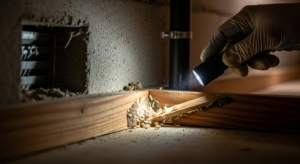
Identifying signs of carpenter ant presence compared to common household ants is essential for effective pest control. Carpenter ants often leave behind wood shavings, or frass, which can appear like fat crumbs near their nesting sites, whereas common household ants are typically seen crawling near food sources. Homeowners should monitor for any signs of ant infestation, including trails and unusual debris, to determine the species and implement the appropriate bait or treatment strategy.
Ant Type | Common Signs | Behavior Indicators |
|---|---|---|
Common Household Ants | Crawling near food, ant trails | Foraging for food sources |
Carpenter Ants | Wood shavings, nests in wood | Tunneling behavior in decaying wood |
Ants can turn a peaceful home into a busy battleground. To reclaim your space, it’s essential to tackle their behaviors head-on with effective management techniques.
Effective Methods for Managing Ant Behaviors in Your Home
Strategies to address foraging and nesting patterns of common household ants and the black carpenter ant are vital for effective pest management. Homeowners can implement prevention techniques to minimize encounters by understanding these behaviors. Insight into ant diets and preferred locations, such as patios and basements, will guide the development of effective control measures to keep homes pest-free.
Strategies to Address Foraging and Nesting Patterns
To effectively manage the foraging and nesting patterns of common household ants and carpenter ants, homeowners should focus on understanding their habitat preferences and behavior. Implementing preventive measures, such as sealing entry points and removing food sources from their landscape, can significantly reduce the likelihood of infestations. urban pest control professionals can provide targeted treatments that not only eliminate visible ants but also disrupt their nesting sites, ensuring a comprehensive approach to pest management and a pest-free home.
Prevention Techniques for Minimizing Ant Encounters Based on Behavior
Implementing effective prevention techniques is essential for minimizing encounters with common household ants and carpenter ants in North America. Homeowners should focus on reducing moisture levels in and around their homes, as both ant types thrive in damp environments. Additionally, controlling sugar sources by sealing food and cleaning food spills promptly can deter these pests, especially since common household ants are attracted to sweet substances, while carpenter ants may be drawn to decaying wood that retains moisture. By maintaining a clean and dry home environment, residents can significantly reduce the likelihood of infestations.
Ants can be tricky, each with its own habits and needs. Understanding these differences is key, especially when it comes to household and carpenter ants.
FAQs About Behavioral Differences Between Common Household Ants and Carpenter Ants
Homeowners often wonder about specific behaviors that indicate a carpenter ant problem. This section will address how to distinguish common household ants, such as the fire ant and odorous house ant, from carpenter ants. It will also provide guidance on recognizing unusual behaviors and suggest actions to take upon observation, offering practical insights for effective pest management.
What Behaviors Indicate a Carpenter Ant Problem in the Home?
Signs of carpenter ant activity, such as the presence of wood shavings or frass, are critical indicators of an infestation. Homeowners should be vigilant for these behavioral cues, especially near nests located in damp wood or hidden areas within the home. Utilizing pest control services that incorporate treatments with borax can effectively address these issues, ensuring that colonies of species like solenopsis molesta do not persist and cause further damage.
How Can I Recognize Common Household Ants Versus Carpenter Ants?
To distinguish between common household ants and carpenter ants, homeowners should observe specific characteristics and behaviors. Common household ants, such as the black garden ant and pavement ant, are typically smaller and can be seen scurrying toward food sources, while carpenter ants are larger and often leave signs of wood damage, like frass. Utilizing methods such as applying boric acid or diatomaceous earth can be effective in managing these pests, especially when identifying their unique nesting habits and visible trails in your home.
Ant Type | Key Characteristics | Common Actions |
|---|---|---|
Common Household Ants | Smaller size, active foragers | Scavenge for food around kitchens and pantries |
Carpenter Ants | Larger size, signs of wood damage | Leave frass near nests, tunnel through wood |
What Should I Do if I See These Ants Displaying Unusual Behaviors?
If homeowners observe common household ants or carpenter ants displaying unusual behaviors, it’s essential to take proactive steps to manage the situation effectively. For instance, noticing behavior such as swarming or excessive foraging might indicate a potential nesting problem. Homeowners should consider inspecting the perimeter of their homes for possible entry points and nesting sites, such as decaying wood or areas in contact with concrete. Seeking guidance from pest control professionals trained in entomology can provide valuable insights and tailored solutions to eliminate ant infestations, ensuring a pest-free environment.
- Identify unusual behaviors displayed by the ants.
- Inspect the perimeter of the home for entry points.
- Look for nesting sites in decaying wood or leaves.
- Contact pest control professionals for effective treatment.
Conclusion
Understanding the behavioral differences between common household ants and carpenter ants is essential for effective pest management in the home. Recognizing their distinct foraging patterns, nesting preferences, and communication methods empowers homeowners to identify and address infestations before they cause significant damage. Taking proactive measures, such as eliminating food sources and sealing entry points, can help maintain a pest-free environment. By applying these insights, residents can protect their homes and ensure lasting peace of mind against ant-related issues.