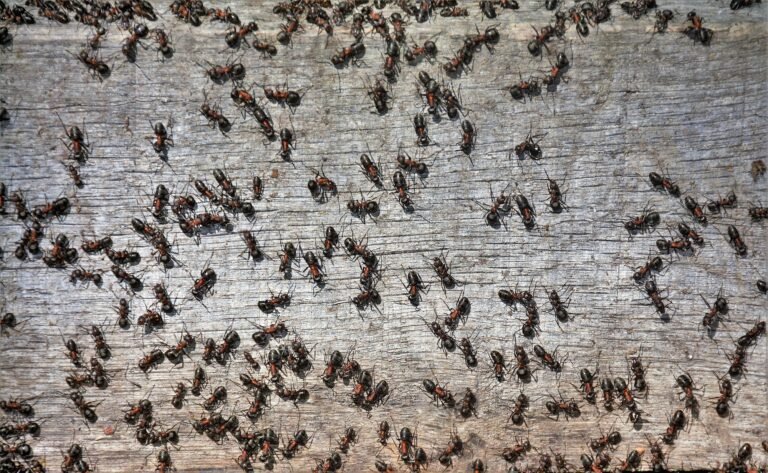
Top Proven Strategies for Effectively Managing Ant Infestations in Your Home
Are ants invading your home, causing frustration and worry? With some ant species, like the carpenter ant and solenopsis molesta, potentially damaging your property, it’s vital to handle infestations effectively. This article offers proven strategies for managing these pests, including how to identify entry points, keep your home clean, and use ant baits safely. By learning these methods, homeowners can reduce toxicity risks, maintain a pest-free environment, and protect their space from future infestations. Don’t let ants take over; take charge with these helpful insights.
Key Takeaways
- Ants are drawn inside homes primarily by food and moisture sources
- Sealing entry points is crucial for effective pest management
- Regular cleaning reduces food availability for ants
- Boiling water can eliminate outdoor ant colonies quickly
- Using natural repellents offers a safer pest control approach
Understanding Why Ants Invade Homes
Ants invade homes primarily in search of food and shelter. Common household ants, such as carpenter ants, are attracted to sweet substances and protein sources found in kitchens. If food remains accessible, even minor crumbs can become a beacon, drawing these pests inside. For effective urban pest control, consider professional solutions. Don’t forget to subscribe to updates for more tips.
In addition to food, ants seek suitable environments to build their colonies. Moisture-rich areas, often found in bathrooms and basements, create ideal conditions for carpenter ants to thrive. Homeowners should pay attention to leaks and dampness, as these factors significantly increase the likelihood of an infestation.
Natural remedies, like essential oil mixtures, can deter these invaders. By creating a spray from essential oils such as peppermint or tea tree, homeowners can develop an effective barrier. Regular application around entry points and potential nesting sites assists in preventing both household ants and other pests, like fleas, from settling in.
Ants are persistent creatures, driven by their need for food and shelter. Next, we will look at the different species that might be seeking a home in yours.
Identifying Common Ant Species
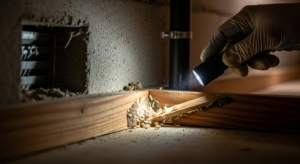
Homeowners can encounter various ant species, each with unique behaviors and preferences. For instance, carpenter ants tend to nest in moist wood, often found in areas where firewood is stored. Understanding these habits is essential for effective pest management services.
Another common species is the odorous house ant, known for its preference for sweet foods and a tendency to invade kitchens. These ants often originate from shrubs or garden areas, so homeowners should inspect such surrounding environments. Identifying these ant species early can help in selecting the appropriate gel bait or other treatments to curb infestations.
Recognizing the signs of an ant infestation, such as trails and nests, enables homeowners to act swiftly. By subscribing to updates from pest control services, individuals can stay informed about the best practices for managing different ant species, ensuring their homes remain ant-free.
Once you know the different types of ants invading your space, it’s time to find out how they get in. Identifying where they enter can help you stop them swiftly and keep your home safe.
Effective Entry Point Identification
Identifying entry points is crucial for effective pest management in the home. Ants often enter through cracks around windows, doors, and even utility lines. Homeowners should inspect these areas carefully to discover where different species may be gaining access.
Common entry points include gaps around window frames and the foundation of the house. Keeping pet food stored in airtight containers reduces the chances of attracting ants. Vacuuming regularly, especially around food storage areas, can eliminate crumbs that attract pests.
Applying natural deterrents, like peppermint oil, around known entry points can further discourage ants from entering. Homeowners should be proactive and regularly check for new openings to maintain a pest-free environment. Effective management involves constant monitoring and prompt action when signs of invasion appear.
Identifying how ants get into your home is just the beginning. Next, learn the essential steps to block their path and protect your space from these uninvited guests.
Essential Steps to Seal Your Home Against Ants
Sealing entry points is a fundamental step in preventing ant infestations. Homeowners should inspect areas such as foundations, windows, and doors, as ants often enter through small gaps. Ensuring these entry points are properly sealed helps maintain a barrier against these pests.
Pay attention to potential nests and their proximity to the home. Ants may build colonies in lawns or around the foundation, so identifying these areas is key to effective management. Removing any sawdust or debris from nearby can lessen the chances of an ant colony establishing close to the home.
Regular cleaning and maintenance of the home’s interior can also help reduce ant attraction. Vacuuming floors and keeping food stored securely will eliminate the food sources that draw ants in. Being proactive in surveillance and control measures ensures that any signs of ant biology are addressed before they escalate into larger infestations.
Sealing your home is just the beginning in the fight against ants. Keeping your living space clean is a vital step that can make all the difference in keeping these unwelcome guests at bay.
Maintaining Cleanliness to Deter Ant Infestations
Maintaining cleanliness plays a vital role in discouraging ant invasions. Homeowners should regularly clean kitchens and dining areas to eliminate food residues that attract various ant species, including fire ants. Storing food in sealed containers and promptly cleaning spills can create a less inviting atmosphere for these pests.
Using trash cans with tightly fitting lids is essential to keeping potential food sources away from ants. Placing food scraps or waste in a plastic bag and sealing it before disposal can prevent attracting an ant colony. Regularly checking and removing any organic waste from the yard may also deter beneficial insects that can help manage ant populations.
Incorporating natural deterrents like borax in cleaning routines can further enhance these efforts. Mixing borax with sugar can create an effective bait, targeting ant colonies without harsh chemicals. Maintaining a proactive cleaning schedule ensures that homeowners address potential ant issues before they escalate.
Strategy | Action |
|---|---|
Clean kitchen surfaces | Eliminate food residues to deter fire ants |
Use sealed containers | Store food to keep potential ant colonies away |
Properly dispose of waste | Seal trash in plastic bags |
Incorporate natural cleaners | Mix borax with sugar as a bait |
Keeping the kitchen clean is just the start to keeping ants away. Next, the focus shifts to managing moisture, a critical factor that can turn your home into a welcome mat for unwanted pests.
Strategies for Moisture Control and Prevention
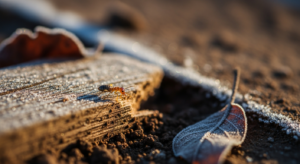
Moisture control is vital in preventing ant infestations, as damp areas attract pests concerning home health. Homeowners should regularly inspect their property for leaks and water accumulation near soil and leaf litter where ants may thrive. Implementing a routine to fix plumbing issues or improve drainage can significantly reduce the risk of inviting ants inside.
Another effective moisture management strategy involves maintaining proper ventilation in bathrooms and basements. Ensuring adequate airflow can diminish damp conditions that might otherwise draw in pests like aphids and mites. Using dehumidifiers in high-humidity areas helps keep the environment less favorable for both ants and other unwanted insects.
Regular yard maintenance is equally important, especially around the foundation of the home. Homeowners should monitor their landscaping, removing any debris that retains moisture and could provide a nest site for ants. Keeping soil and leaf litter well-drained will create an inhospitable environment for potential infestations, contributing to a comprehensive pest control policy.
Moisture can draw pests into a home, turning it into their playground. Now, learn how to use ant baits effectively to reclaim your space and keep these intruders at bay.
How to Use Ant Baits Effectively
Using ant baits effectively involves selecting the right products, such as those containing active ingredients like indoxacarb or permethrin. These liquid baits attract ants and allow them to carry the poison back to their colonies, ultimately reducing the extent of the infestation. Homeowners should opt for baits that are specifically designed to target the species they are dealing with.
Placement of ant baits is crucial for optimal results. They should be positioned near known entry points and areas where ant activity is observed, like kitchens or bathrooms. Regular monitoring is necessary to ensure that baits remain effective, and homeowners should replace them as needed to maintain pest control efforts.
In addition to using ant baits, maintaining overall cleanliness in the home aids in keeping infestations at bay. Utilizing cleaning agents that can eliminate food residues will complement bait effectiveness, creating an environment that is less appealing to ants. By combining appropriate bait strategies with consistent sanitation practices, homeowners can manage ant populations more effectively.
Strategy | Action |
|---|---|
Select the right bait | Choose products with indoxacarb or permethrin for effectiveness |
Optimal placement | Position baits near entry points and active areas |
Maintain cleanliness | Use cleaning agents to eliminate food residues |
Monitor baits | Replace as necessary to ensure effectiveness |
Using ant baits can lead to a cleaner home, but it’s wise to be cautious about the sprays you choose next. Learn how to keep your space safe while effectively managing these troublesome invaders.
Recommendations for Avoiding Hazardous Sprays
Homeowners can avoid hazardous sprays by opting for natural repellents like neem oil. This eco-friendly option is effective against various pests, including ants, while being safer for the environment and indoor air quality. Regular applications around potential entry points can help deter these invasive insects without introducing toxic chemicals into the home.
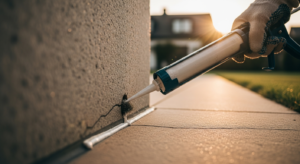
Another strategy involves sealing entry points with caulk. Gaps around windows and doors often allow ants to enter, so properly sealing these openings minimizes access. Additionally, checking wooden structures for signs of damage caused by beetles or moisture can prevent ants from establishing colonies inside.
Integrating sugar-based traps with non-toxic ingredients offers a balanced approach to managing ant infestations. Homeowners can mix sugar with vinegar or water and bait the traps, attracting ants without using harmful sprays. This method not only captures nuisance ants but also contributes to a holistic pest management strategy that prioritizes safety and efficacy.
Taking care of sprays is wise, but the best defense lies outside your door. Preventive measures can keep your outdoor spaces safe and inviting, making it harder for pests to intrude.
Preventive Measures for Outdoor Spaces
Homeowners should regularly inspect their outdoor spaces to effectively manage pest invasions. Keeping gardens tidy and monitoring houseplants for signs of disturbances can prevent ants from establishing nests in areas with moisture and food sources. Removing debris and potential nesting materials from lawns also reduces access points for these pests.
Maintaining proper landscaping enhances barriers against ant infestations. Keeping plants pruned and avoiding mulch near the house can deter ants, as they often use trails from outdoor insects to find their way inside. Focusing on dry areas without excessive moisture limits the inviting conditions for ants to thrive.
Sealing gaps around the foundation and entry points is essential for outdoor preventive measures. Ants can enter through small openings around pipes and wires, so regular inspections can help identify vulnerabilities. Ensuring that outdoor trash is secured and not left exposed further minimizes the risk of attracting these pests to the home.
Even with diligent preventive steps in place, ants can still invade. Understanding effective methods for their permanent removal is the next crucial battle to win.
Methods for Permanent Ant Removal
Boiling water serves as an effective method for permanent ant removal. Pouring boiling water directly onto ant hills can eliminate colonies quickly, targeting pests at their source. This approach is especially useful for outdoor nests near foundations or garden areas, providing a direct solution to eliminate the threat.
Utilizing natural oils, such as peppermint or tea tree oil, can repel ants and disrupt their scent trails. These oils are environmentally friendly alternatives that deter pests when applied around entry points and nesting areas. Regular application enhances their effectiveness and contributes to maintaining a pest-free home.
Chemical treatments like tetraborate, cyhalothrin, and hydramethylnon offer potent options for targeted elimination of ants. Tetraborate, for instance, acts as a slow-acting poison, allowing ants to carry it back to their colonies for greater impact. Homeowners should consider using these substances judiciously, ensuring proper application for effective management.
After removing ants from your space, the real work begins. To keep your home free from their return, explore the best practices that will last a lifetime.
Best Practices for Long-Term Ant Management
Implementing effective pest control services is essential for managing long-term ant issues within homes. Regular inspections can help identify and address potential entry points and nests, while maintaining a clean environment minimizes attractants, particularly carbohydrates that draw ants. Homeowners should prioritize these proactive measures to reduce the likelihood of infestations.
Using mulch wisely around gardens can impact ant behavior significantly. While it can enhance landscaping, moist mulch environments may also attract ants, particularly species within the hymenoptera order. Regular monitoring and adjustments to landscaping can prevent such conditions and deter ant colonies from establishing nearby.
The application of pheromone-based strategies can aid in both deterring and managing ant populations effectively. These approaches disrupt ant trails and communication, making it challenging for the colonies to navigate and access food sources. Homeowners who incorporate these methods into their pest management plans can achieve a more sustainable, long-term solution against ant invasions.
Conclusion
Effectively managing ant infestations is crucial for maintaining a pest-free home environment. Homeowners can take proactive steps, such as sealing entry points, maintaining cleanliness, and utilizing natural deterrents to keep these intruders at bay. Identifying and addressing sources of moisture further enhances preventive measures against infestations. By implementing these proven strategies, individuals can protect their homes and enjoy a safer, more comfortable living space.