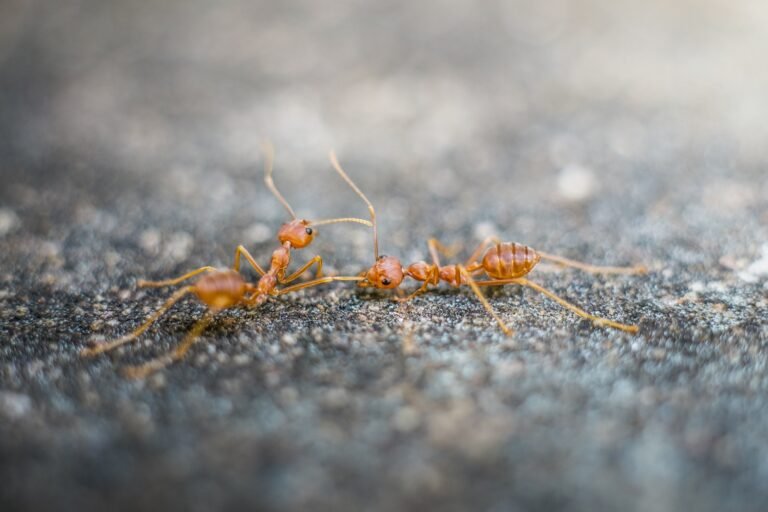
10 Natural Methods to Effectively Eliminate Ants From Your Home Without Harmful Chemicals
Ants can be a persistent problem in many homes, often sneaking in through small gaps to find food or water. This article will provide ten natural methods to effectively eliminate ants from your home without harmful chemicals. Readers will learn about safe alternatives that are easy to implement and can help prevent future infestations. By understanding these natural pest control services, homeowners can address ant issues while protecting their families and pets from toxic substances. Say goodbye to finding ants near the sink and keep your space free from these unwelcome guests.
Key Takeaways
- Natural methods like Borax and diatomaceous earth effectively control ant populations without chemicals
- Keeping a clean environment disrupts ant trails and prevents infestations in homes
- Homemade vinegar sprays can deter ants by disrupting their navigation and scent trails
- Sealing entry points and storing food properly are essential to preventing ant access
- Regular yard maintenance reduces potential ant habitats and minimizes indoor infestations
Addressing an ant problem naturally can be effective without relying on harmful pesticides. Using Borax deters ants, while diatomaceous earth provides an eco-friendly solution. Homemade ant sprays with vinegar and essential oils create natural repellents. Other methods include sugar and baking soda baits, coffee grounds, and citrus peels. Boiling water eliminates access points, while peppermint leaves and maintaining a clean environment prevent infestations. Each of these techniques offers a practical approach to keep homes ant-free and safe from disease. For persistent issues, consider professional pest control services. To stay informed, subscribe for updates.
Use Borax to Deter Ants Effectively
Using Borax, a non-toxic mineral that is effective against ants, can serve as a natural deterrent. When ants consume Borax, it acts as a slow-acting poison, disrupting their digestive systems and ultimately leading to the decline of the entire ant colony. The inclusion of boric acid in this solution works in tandem with silicon dioxide, creating an environment that also targets harmful bacteria, making it a safe and effective choice for homeowners seeking to eliminate ants without harmful chemicals.
Implement Diatomaceous Earth for Ant Control
Diatomaceous earth (DE) is an effective and natural method for controlling insect populations, including ants. This fine powder is made from the fossilized remains of tiny aquatic organisms, which have sharp edges that damage the outer layer of ants, leading to dehydration. For best results, homeowners can sprinkle DE around entry points and common areas where ants forage for food sources, while also using it in bait mixtures that include attracting agents, such as sugar or clove oil, to increase effectiveness:
Method | Description | Additional Tips |
|---|---|---|
Diatomaceous Earth | A natural powder that targets insects by dehydrating them. | Ensure to seal any cracks with caulk to prevent reinfestation. |
Bait Mixture | Combine DE with a suitable attractant like sugar. | Place near ant trails for maximum impact. |
Regular Maintenance | Keep areas clean to avoid attracting ants. | Check and refresh DE regularly for continued effectiveness. |
Create a Homemade Ant Spray With Vinegar
Creating a homemade ant spray with vinegar is an effective natural ant deterrent that can keep these pests away from pantries and countertops. By mixing equal parts of vinegar and water, homeowners can produce a solution that disrupts the scent trails ants use to navigate. For added effectiveness, a few drops of essential oil, such as peppermint or tea tree, can be included to enhance the spray’s potency and create an unpleasant environment for ants and other pests like earwigs.
Utilize Essential Oils for Natural Repellent
Essential oils serve as a powerful natural repellent against ants while also addressing other household pests, such as the brown marmorated stink bug. By using ingredients like citrus oils, homeowners can create a mixture that disrupts ant infestations effectively. A simple solution can be made by soaking cotton balls in the oil and placing them strategically around entry points, providing a safe and eco-friendly barrier while keeping the home pest-free.
Introduce Natural Ant Baits With Sugar and Baking Soda
Natural ant baits using sugar and baking soda can effectively target ants while avoiding harmful chemicals. By mixing equal parts of sugar and baking soda, homeowners create a potent bait that attracts ants, as they are drawn to sugary foods. Once ingested, the baking soda acts as an insect repellent, disrupting the ants’ digestive systems. For enhanced effectiveness, this mixture can be combined with used coffee grounds, which not only makes the bait more appealing but also masks debris that may settle around the home, leading to fewer ant sightings:
Ingredients | Function | Tips |
|---|---|---|
Sugar | Attracts ants to the bait. | Use powdered sugar for better mixing. |
Baking Soda | Acts as an insect repellent. | Ensure an even mix for maximum effect. |
Used Coffee Grounds | Enhances bait‘s appeal and hides debris. | Place near entry points for effective results. |
Leverage Coffee Grounds to Repel Ants
Utilizing coffee grounds as a natural method to repel ants can be an effective pest control strategy. The strong scent of coffee acts as a deterrent, making it less likely that these pests will invade treated areas. Homeowners can spread used coffee grounds around entry points, creating a barrier that helps keep ants at bay while also complementing other natural solutions like baking soda or eucalyptus oil gels for enhanced effectiveness.
Method | Description | Additional Tips |
|---|---|---|
Coffee Grounds | Natural repellent due to strong aroma. | Combine with other agents like baking soda for increased potency. |
Pest Control | Creates a barrier against ants. | Regularly refresh grounds to maintain effectiveness. |
Environment | Helps manage unwanted pests. | Consider using with eucalyptus gels for added protection. |
Employ Citrus Peels as a Natural Deterrent
Utilizing citrus peels as a natural deterrent can significantly reduce ant visits around the home due to their strong scent. Ants possess a keen sense of smell, which makes them sensitive to certain fragrances; citrus peels, particularly from oranges and lemons, emit an aroma that disrupts their trails, making it harder for them to navigate. Homeowners can easily place these peels in areas prone to ant activity, such as near entry points or along windowsills, creating a natural barrier and effectively keeping unwanted pests like aphids, wasps, and flies at bay.
Control Ant Access With Boiling Water
Controlling ant access with boiling water is a straightforward yet effective method for homeowners looking to eliminate ants naturally. Pouring boiling water directly onto ant hills or nests can destroy their colonies and significantly reduce the number of ants invading homes. This method is not only sustainable but also eco-friendly, making it a preferable alternative to chemical solutions. Homeowners should consider boiling water as part of their pest control strategy, especially in garden areas, as it can also deter other pests like snails and fleas without harming surrounding soil or plants.
Strategically Place Peppermint Leaves for Defense
Placing peppermint leaves strategically within the home serves as a natural method to repel ants effectively. The strong aroma of peppermint disrupts the scent trails that ants rely on for navigation, thereby deterring them from entering spaces like pantries or around houseplants. Homeowners can enhance their efforts by combining peppermint with chalk and diatomaceous earth, creating a comprehensive barrier against not just ants, but also other garden pests within their living environment:
Method | Description | Additional Tips |
|---|---|---|
Peppermint Leaves | Strong aroma disrupts ant navigation. | Place leaves in entry points to maximize effectiveness. |
Chalk | Acts as a physical barrier against ants. | Draw lines with chalk around areas of concern. |
Diatomaceous Earth | Dehydrates insects when contacted. | Sprinkle around baseboards and entryways for protection. |
Maintain a Clean Surrounding to Prevent Infestation
Maintaining a clean environment is a fundamental strategy to prevent ant infestations within homes. By regularly removing food sources and sealing off potential entry points, homeowners can disrupt ants’ trails, making it difficult for them to establish a habitat. Using a simple mixture of baby powder along doorways and windowsills can provide an additional barrier against these pests, further deterring their access while keeping homes safe and inviting.
Ants invade homes quietly, seeking food and shelter. To send them packing, one must learn the best methods that use nature’s own tools, without harmful chemicals.
How Can I Effectively Eliminate Ants From My Home Without Harmful Chemicals?
To effectively address an ant problem without harmful chemicals, homeowners should begin by identifying common ant trails and entry points to their living spaces. Blocking these pathways, particularly in the kitchen, will help reduce ant access. Furthermore, monitoring and adjusting natural solutions like mixtures of lemon and black pepper can maintain their effectiveness while using cleaning agents with eucalyptus oil enhances barriers against these pests.
These practical strategies provide a comprehensive approach to keeping ants at bay, ensuring a safe and welcoming home environment.
Identify Common Ant Trails and Entry Points
Identifying common ant trails and entry points is essential for effective ant control without harmful chemicals. Homeowners can use a tablespoon of sugar to entice ants, leading them back to their nests, thus revealing their pathways. By observing these trails, homeowners can seal off access points and spray vinegar solutions from a spray bottle to disrupt the ants’ scent trails, preventing future infestations. Additionally, engaging in these natural methods not only protects the home but also supports local pollinators in the garden, creating a safer environment in container gardens.
Block Off Ant Pathways to Your Kitchen
Blocking off ant pathways to the kitchen is a critical step in preventing infestations, particularly from pests like the red imported fire ant. Homeowners should seal cracks and crevices around countertops, cabinets, and entry points where these pests can gain access. Utilizing environmentally friendly pest control solutions, such as a mixture of melaleuca oil and grapefruit juice, can act as a deterrent. This method not only helps eliminate the existing ants but also creates an unwelcoming environment for future intruders:
- Seal cracks and crevices to prevent ant entry.
- Keep food stored in airtight containers.
- Regularly clean surfaces to eliminate food sources.
- Utilize environmentally friendly solutions like melaleuca oil and grapefruit juice.
Monitor and Adjust Your Natural Solutions
Monitoring and adjusting natural solutions is vital for effectively managing ant infestations without harmful chemicals. Homeowners can incorporate neem oil as part of their regimen, as its properties not only disrupt ant trails but also deter other pests. To enhance effectiveness, mixing neem oil with a mild detergent can create a solution that cleans surfaces while preventing mildew and keeping wood areas safe from ant damage. Regularly reassessing the performance of these solutions ensures that any necessary tweaks can be made to maintain a pest-free environment.
Use Natural Mixtures to Keep Ants at Bay
Homeowners can effectively use natural mixtures to deter ants and prevent them from accessing their living spaces. A blend of vinegar and sugar syrup, for instance, not only attracts ants but also disrupts their navigational trails, making it harder for them to reach their nests. Additionally, incorporating ingredients that target other pests, like flea beetles and moths, can create a comprehensive approach that further protects the home while reinforcing a chemical-free environment.
With a clear plan in hand, many homeowners seek simple, safe ways to tackle their ant problems. Next, answers to common questions about natural solutions will guide them further on this journey.
Frequently Asked Questions About Natural Ant Solutions
This section addresses common inquiries regarding natural solutions for ant control. It discusses effective natural items like soap that can deter ants, the timeframe for these methods to take effect, and their safety for pets and children. By understanding these points, homeowners can make informed decisions regarding urban pest control that prioritize health and safety without relying on chemical insecticides.
What Natural Items Can Deter Ants Effectively?
Several natural items effectively deter ants, making them excellent alternatives to harmful chemicals. Sugar, particularly powdered sugar, combined with borax, creates a potent bait that attracts ants while disrupting their digestive systems. Additionally, cayenne pepper sprinkled around entry points not only discourages ants from entering but can also be used alongside other methods to manage infestations. Here are some effective natural items for ant control:
- Sugar: Attracts ants to bait mixtures.
- Powdered Sugar: Enhances bait effectiveness.
- Borax: Disrupts the digestive system of ants.
- Cayenne Pepper: Acts as a repellent when used around entryways.
- Lawn treatments: Keep areas tidy to minimize food sources.
How Long Will Natural Solutions Take to Work?
Natural solutions for ant control can take varying amounts of time to show visible results, typically ranging from several hours to a few days. For instance, using vinegar spray may disrupt the pheromone trails of ants almost immediately, while mixtures involving sugar and baking soda can require several days to affect the ant population as ants consume the bait and return to their colony. Homeowners can enhance effectiveness by regularly refreshing these solutions, such as using citrus peel as a repellent, ensuring a proactive approach in managing pest issues while minimizing the need for harmful chemicals like those used to address certain fungus-related infestations.
Are Natural Methods Safe for Pets and Children?
Natural ant control methods, such as those involving organic pest control, are generally safe for pets and children when used correctly. Ingredients like vinegar or baking soda can act as disinfectants without posing harmful risks, unlike toxic chemicals found in many conventional pest solutions. Techniques such as companion planting can even enhance the safety of the environment while effectively managing common pests like carpenter ants and fire ants, ensuring a healthier home for all family members.
Understanding natural ant solutions is just the first step. Next, explore how to keep these pests away for good.
Additional Tips for Preventing Ant Infestations
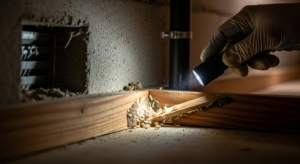
Storing food properly helps prevent attracting pests by limiting food sources for ants. Sealing cracks and gaps in the home provides an essential barrier against invasion. Regularly checking and maintaining the yard ensures outdoor areas are less conducive to ant infestations. Incorporating natural repellents like tea tree oil in a spray bottle can complement these strategies as part of an integrated pest management approach.
Store Food Properly to Avoid Attracting Ants
Storing food properly is a crucial step in deterring ants, particularly species like Tapinoma sessile, which are known to invade kitchens. To prevent attracting these pests, homeowners should keep food sealed in airtight containers and promptly clean up any spills or crumbs. Additionally, boiling water can be used to wash away residue on surfaces, effectively removing scent trails that may lure ants. By using sodium bicarbonate, or baking soda, in cleaning solutions, they can further eliminate any potential food sources that might invite these unwanted visitors into their homes.
Seal Cracks and Gaps in Your Home
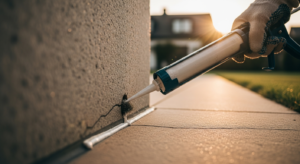
Sealing cracks and gaps around the home is a crucial step in preventing ant infestations. These small openings, often unnoticed, can serve as entry points for not only ants but also rodents seeking food, such as grains or leftover meal. By using caulk or weather stripping to fill these spaces, homeowners can create a barrier that deters pests and protects against acid damage from pests that may thrive in neglected areas.
Regularly Check and Maintain Your Yard
Regular maintenance of the yard is essential for preventing ant infestations. Homeowners should routinely inspect their outdoor spaces for potential ant habitats, such as piles of leaves, wood debris, and moist areas, as these locations can attract various ant species. By keeping the yard tidy and addressing any potential nesting sites, individuals can significantly reduce the likelihood of ants making their way indoors.
- Regularly inspect for and remove leaf piles and wood debris.
- Keep lawn areas trimmed and free of moisture to discourage nesting.
- Secure compost bins and ensure they are located away from the home.
- Fill any holes or cracks in the foundation to block entry points.
Conclusion
Natural methods for eliminating ants offer homeowners effective and eco-friendly alternatives to harmful chemicals. By utilizing strategies such as Borax, diatomaceous earth, and homemade sprays, individuals can create safe environments while tackling ant infestations. Keeping areas clean and sealing entry points are crucial in preventing future problems. Implementing these practical approaches not only protects homes but also promotes a healthier living space for families and pets.