Termites are often the unwelcome guests in our homes, restaurants, and properties. Understanding the different types of termites is crucial for effective pest management. With over three decades of experience in the Atlanta area, we’re here to break down everything you need to know about these wood-destroying insects.
Understanding Termites: Types, Behavior, and Infestation Signs
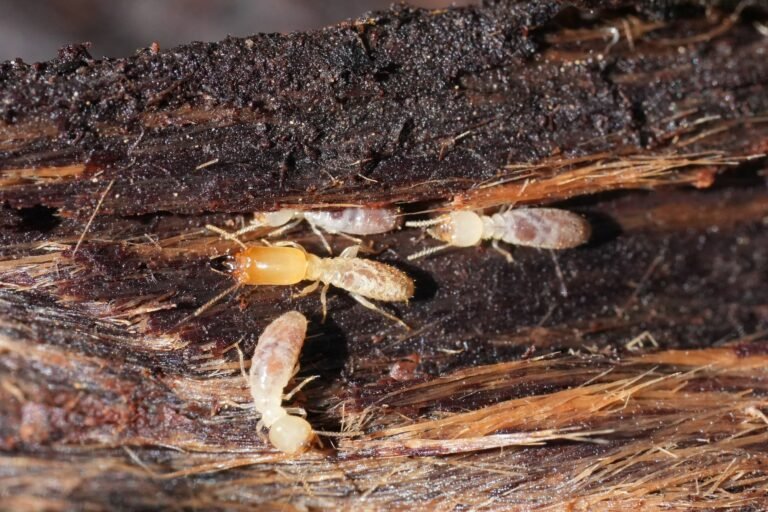
Termites are small insects that feed on wood and other cellulose materials. They play a crucial role in nature by helping to decompose dead trees and plants. However, when they invade our homes or businesses, they can cause significant damage. Identifying the different types of termites is the first step in tackling an infestation.
Types of Termites
There are over 2,000 species of termites worldwide, but in the U.S., we mainly deal with three primary types. Let’s dive into each one.
Subterranean Termites
Subterranean termites are the most common type of termite found in the U.S. These termites live underground and build mud tubes to travel between their colony and food sources. They are highly destructive and can cause severe damage to the wooden structures of buildings.
Characteristics
Habitat: Underground, building mud tubes for travel
Size: 1/8 to 3/8 inch long
Color: Creamy white to dark brown or black
Subterranean termites require contact with soil to survive and are often found in damp areas. If you spot mud tubes on your walls or foundation, it’s time to call in the experts.
Drywood Termites
Unlike their subterranean counterparts, drywood termites do not need contact with soil. They infest dry wood and are typically found in warmer coastal regions.
Characteristics
Habitat: Dry wood, such as attic rafters or furniture
Size: 3/8 to 1 inch long
Color: Light brown to dark brown
Drywood termites can live in the wood they consume, which makes them harder to detect. Look out for small piles of wood pellets or frass, a telltale sign of their presence.
Dampwood Termites
Dampwood termites prefer moist wood and are usually found in places with high humidity or water leaks. They are less common in urban settings but can still pose a threat if conditions are right.
Characteristics
Habitat: Moist wood, often in decaying stumps or logs
Size: 1/2 to 5/8 inch long
Color: Light brown to dark brown
Since dampwood termites require a lot of moisture, fixing leaks and reducing humidity can help prevent an infestation.
Termite Identification and Detection
Identifying termites early can save you a lot of hassle and money. Here’s how you can spot these pests:
Signs of Termite Infestation
Mud Tubes: Subterranean termites build these to connect their colonies to food sources.
Discarded Wings: After swarming, termites shed their wings. Finding them near windows or doors is a red flag.
Wood Damage: Termites consume wood from the inside out, leaving a thin veneer behind.
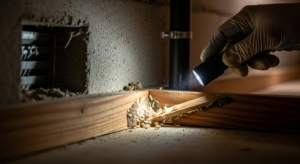
Regular inspections are key to keeping termites at bay. Look for the signs mentioned above, especially in basements, attics, and crawl spaces. If you suspect an infestation, it’s crucial to consult with a pest control professional.
Importance of Professional Pest Control
While DIY methods might seem tempting, termites are not pests you want to tackle on your own. Professional pest control experts, like Urban Pest Control, have the tools, knowledge, and experience to identify and treat termite infestations effectively.
Benefits of Professional Pest Control
Thorough Inspection: Professionals can identify the type of termite and the extent of the infestation.
Treatment Plans: Tailored to your specific situation, ensuring effective results.
Safety: Use of non-invasive and safe products, protecting your family, tenants, or customers.
Long-term Prevention: Experts not only eliminate current infestations but also help prevent future ones.
Conclusion
Understanding the different types of termites and their behaviors can help you protect your home, restaurant, or property. Whether you’re a homeowner, property manager, or restaurateur, it’s essential to stay vigilant and act quickly at the first sign of termites. Remember, professional pest control services are your best ally in maintaining a pest-free environment.
If you have any concerns or suspect a termite infestation, don’t hesitate to reach out to us here at Urban Pest Control. With the right knowledge and action, you can protect your property and ensure a safe, comfortable environment for everyone involved.
Are there any beneficial types of termites in ecosystems?
Beneficial types of termites play a crucial role in ecosystems by recycling dead wood and organic matter, enriching soil quality and promoting plant growth. Their activity helps maintain ecological balance and supports a healthy environment.
What is the difference between drywood and subterranean termites?
The difference between drywood and subterranean termites lies in their habitat and behavior: Drywood termites live inside the wood they consume, while subterranean termites build colonies in the soil and travel to wood above ground for feeding.
What is the average lifespan of different termite species?
The average lifespan of different termite species varies significantly. Subterranean termites typically live 1 to 2 years, while drywood termites can live up to 10 years or more, and dampwood termites generally have a lifespan of 3 to 5 years.
What are the signs of termite infestation by Formosan termites?
The signs of termite infestation by Formosan termites include mud tubes on walls, hollow-sounding wood, discarded wings near windows or doors, and buckling or damaged wood surfaces. Prompt detection is essential for effective control.
What is the most destructive type of termite in the US?
The most destructive type of termite in the US is the Subterranean termite. Known for their ability to cause significant structural damage, they thrive in soil and can create extensive nests, leading to serious infestations in homes and buildings.
Do all types of termites feed on wood and wood products?
Not all types of termites feed on wood and wood products. While Subterranean and Drywood termites primarily consume wood, Dampwood termites prefer decaying and damp wood sources.
Are there any types of termites that infest plants and trees?
Certain types of termites, mainly Drywood and Dampwood termites, can infest plants and trees. These termites typically target dead or decaying wood and can cause significant damage to healthy plants if left untreated.
What are the differences between dampwood and drywood termites?
The differences between dampwood and drywood termites are significant. Dampwood termites require moisture-rich wood for survival, while drywood termites thrive in drier environments by infesting and digesting sound wood, making them more common in structural timber.
What is the most common type of termite found in gardens?
The most common type of termite found in gardens is the Subterranean termite. These termites typically live in the soil and can create tunnels that lead to wooden structures, posing a significant threat to garden plants and nearby buildings.
What are the most common types of termites found in homes?
The most common types of termites found in homes are Subterranean, Drywood, and Dampwood termites. Subterranean termites are often found in soil and can enter structures from below, while Drywood termites live within the wood they infest. Dampwood termites thrive in decaying wood with high moisture content.
how many termites are there, type of termites, termites size, types of termite treatment, types of termites in new mexico, termite types, termites species, how many types of termites are there
Are there any beneficial types of termites in ecosystems?
Beneficial types of termites play a crucial role in ecosystems by recycling dead wood and organic matter, enriching soil quality and promoting plant growth. Their activity helps maintain ecological balance and supports a healthy environment.
What is the difference between drywood and subterranean termites?
The difference between drywood and subterranean termites lies in their habitat and behavior: Drywood termites live inside the wood they consume, while subterranean termites build colonies in the soil and travel to wood above ground for feeding.
What is the average lifespan of different termite species?
The average lifespan of different termite species varies significantly. Subterranean termites typically live 1 to 2 years, while drywood termites can live up to 10 years or more, and dampwood termites generally have a lifespan of 3 to 5 years.
What are the signs of termite infestation by Formosan termites?
The signs of termite infestation by Formosan termites include mud tubes on walls, hollow-sounding wood, discarded wings near windows or doors, and buckling or damaged wood surfaces. Prompt detection is essential for effective control.
What is the most destructive type of termite in the US?
The most destructive type of termite in the US is the Subterranean termite. Known for their ability to cause significant structural damage, they thrive in soil and can create extensive nests, leading to serious infestations in homes and buildings.
Do all types of termites feed on wood and wood products?
Not all types of termites feed on wood and wood products. While Subterranean and Drywood termites primarily consume wood, Dampwood termites prefer decaying and damp wood sources.
Are there any types of termites that infest plants and trees?
Certain types of termites, mainly Drywood and Dampwood termites, can infest plants and trees. These termites typically target dead or decaying wood and can cause significant damage to healthy plants if left untreated.
What are the differences between dampwood and drywood termites?
The differences between dampwood and drywood termites are significant. Dampwood termites require moisture-rich wood for survival, while drywood termites thrive in drier environments by infesting and digesting sound wood, making them more common in structural timber.
What is the most common type of termite found in gardens?
The most common type of termite found in gardens is the Subterranean termite. These termites typically live in the soil and can create tunnels that lead to wooden structures, posing a significant threat to garden plants and nearby buildings.
What are the most common types of termites found in homes?
The most common types of termites found in homes are Subterranean, Drywood, and Dampwood termites. Subterranean termites are often found in soil and can enter structures from below, while Drywood termites live within the wood they infest. Dampwood termites thrive in decaying wood with high moisture content.
how many termites are there, type of termites, termites size, types of termite treatment, types of termites in new mexico, termite types, termites species, how many types of termites are there